Dive Into the Enigmatic World of Tulips With These Facts
Posted on 22/08/2025
Dive Into the Enigmatic World of Tulips With These Facts
This comprehensive guide will take you on a journey through the fascinating and mysterious universe of tulips. Whether you are a dedicated tulip enthusiast or simply curious about these iconic spring flowers, you are about to discover captivating tulip facts, their rich history, surprising symbolism, cultivation tips, and much more.
The Allure and Fascination of Tulips
Tulips are more than just colorful blooms that signal the arrival of spring. Their vibrant petals and elegant shapes have captivated humanity for centuries, earning them a rightful place in gardens, bouquets, art, and folklore. From their mysterious origins to their explosive rise in popularity during the infamous Dutch Tulip Mania, tulips weave a tapestry of beauty, intrigue, and economic drama.
Understanding Tulips: A Botanical Marvel
Tulips belong to the genus Tulipa and are members of the Liliaceae family, making them close relatives of lilies. Today, over 3,000 registered varieties showcase an incredible range of colors, shapes, and sizes, making tulips a diverse and enduring wonder in horticulture.
Basic Tulip Facts
- Scientific Name: Tulipa
- Family: Liliaceae
- Native Regions: Central Asia, Eastern Turkey, and the Himalayas
- Height: Ranges from 4 inches to 28 inches depending on the variety
- Blooming Season: Early to late spring
- Colors: Almost every color except true blue
The Mysterious Origin Story of Tulips
Tulips are native to the arid mountain ranges of Central Asia, particularly the Tian Shan mountains and the valleys of present-day Kazakhstan, Iran, Afghanistan, and parts of China. While many associate tulips with the Netherlands, their journey to Europe is a tale of adventure and cross-cultural exchange.
How Tulips Spread Across Continents
- Ottoman Empire: The Ottoman sultans were early admirers and cultivated tulips in their palace gardens. The flower became a symbol of abundance and indulgence during the Ottoman "Tulip Era" (early 18th century).
- Europe: Tulips made their way to Western Europe in the 16th century, thanks to diplomats and botanists like Ogier de Busbecq, who introduced tulip bulbs to the continent.
- Netherlands: The Dutch transformed tulip cultivation into both an art form and an economic powerhouse, particularly during the 17th-century Dutch Golden Age.
Tulip Mania: The Extravagant Tulip Craze
One of the most compelling facts about tulips is their connection to the first recorded economic bubble: Tulip Mania. This infamous period in the 1630s saw tulip bulbs become so valuable that some were reportedly worth more than houses in Amsterdam!
What Fueled the Tulip Craze?
- Rarity and Novelty: Unusual colors and patterns, especially those caused by mosaic viruses, made certain bulbs extremely desirable.
- Speculation: Buyers and sellers wagered fortunes on future bulb prices, inflating their value.
- The Crash: The market collapsed in 1637, leaving many bankrupt - yet tulips remained loved and treasured in culture and gardens.
Tulip Mania is still studied in economics as a cautionary tale of speculation gone wild. Yet through it all, the allure of the tulip never faded.
The Secret Language and Symbolism of Tulips
Flowers often carry messages, and tulips are no exception. Tulip symbolism varies by color and culture, making them popular in bouquets for diverse occasions. Let's explore what different tulip hues signify:
Tulip Color Symbolism
- Red Tulips: Declaration of true love and passion
- Purple Tulips: Royalty, nobility, and prosperity
- Yellow Tulips: Cheerfulness, hope, and friendship
- White Tulips: Purity, forgiveness, and peace
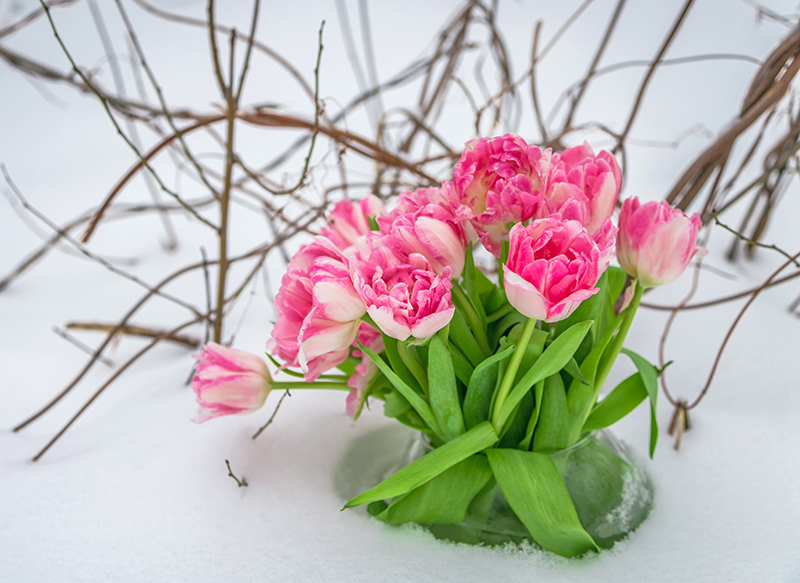
- Pink Tulips: Affection, happiness, and caring
- Black Tulips: Power, mystery, and elegance
In the Victorian language of flowers (floriography), a single tulip is said to represent a lover's confession: "I love you."
Surprising and Lesser-Known Facts About Tulips
- Tulips Are Edible: During World War II, tulip bulbs were sometimes eaten as a famine food in the Netherlands.
- No True Blue Tulips: Despite centuries of breeding, no genetically pure blue tulip exists to this day.
- Growth Tricks: Tulips will continue to grow (sometimes up to an inch) even after they're cut and placed in a vase.
- Genetic Diversity: Over 150 species and more than 3,000 registered varieties are cultivated globally.
- World's Largest Tulip Festival: Ottawa, Canada, hosts a massive tulip festival every spring, celebrating friendship with the Netherlands.
- Longevity: In the wild, tulips can live for many years, but cultivated varieties may need replanting after 3-5 years.
Growing Tulips: Tips for Marvelous Blooms in Your Garden
Anyone can grow tulips at home with a bit of guidance. Their stunning blooms reward gardeners with vibrant color every spring.
Essential Tulip Planting Tips
- Best Time to Plant: Autumn, about 6-8 weeks before the first hard frost
- Soil: Well-drained, sandy or loamy soils are ideal
- Depth: Plant bulbs twice as deep as their height (typically 6-8 inches)
- Light: Full sun or partial shade ensures robust blooms
- Spacing: Leave several inches between bulbs for airflow
- Watering: Water thoroughly at planting, then only during dry spells
Tip: For a natural-looking display, plant clusters of bulbs in drifts rather than straight rows.
Protecting Your Tulips
- From Pests: Mice, squirrels, and deer may nibble bulbs--try planting with wire mesh or repellent plants
- From Disease: Rotate where you plant tulips and ensure the soil drains well to avoid fungal problems
- Summer Dormancy: Tulips prefer to stay dry after they flower, which mimics their native habitat's hot, dry summers
Tulips: Inspirations in Art, Literature, and Pop Culture
Tulips have fueled creative souls across centuries, making their mark in painting, poetry, literature, and design. Their enigmatic beauty arises often in classical still-life paintings, Dutch Golden Age masterpieces, and folk art.
- Art: 17th-century Dutch artists such as Rachel Ruysch and Ambrosius Bosschaert immortalized tulips in luxurious flower arrangements.
- Literature: The tale of the elusive "black tulip" inspired Alexandre Dumas' celebrated novel, reflecting the flower's mystique and rarity.
- Pop Culture: Today, tulips feature in fashion, interior design, and popular films--symbolizing everything from love to renewal.
The Global Reach and Enduring Popularity of Tulips
Tulips continue to be a leading flower in the global horticultural industry. The Netherlands remains the world's top tulip exporter, shipping over two billion bulbs annually. Tulip gardens and spring festivals attract millions of visitors, from Keukenhof Gardens in Lisse, Netherlands, to Skagit Valley in Washington State, USA.
Where to See Spectacular Tulip Displays
- Keukenhof Gardens (Netherlands): Over 7 million tulips bloom every spring
- Canadian Tulip Festival (Ottawa): 1 million tulips bloom across public parks
- Skagit Valley Tulip Festival (USA): Sprawling fields of multi-colored tulips delight visitors
- Emirgan Park (Istanbul): Heritage tulips and stunning modern hybrids
Conclusion: The Timeless Magic of Tulips
From ancient mountain slopes to manicured European gardens, tulips have enchanted the world for centuries. Their enigmatic air, colorful diversity, and historical significance ensure tulips remain symbols of hope, love, and renewal. Behind every bloom lies a rich tapestry of culture, science, and surprising stories--awaiting your discovery.
Whether you're admiring a single blossom or strolling through acres of dazzling petals, the world of tulips offers endless fascination.
FAQ: Delving Deeper Into the World of Tulips
Q: Why are tulips so popular?Tulips are loved for their vibrant colors, elegant shapes, and historical significance. They symbolize new beginnings and have a storied presence in art and commerce. Q: How long do tulips bloom?
Tulip blooms typically last 1-2 weeks, depending on weather. Different varieties can extend the bloom time across 6-8 weeks in spring. Q: Are tulips toxic to pets?
Yes, tulip bulbs are toxic to dogs, cats, and some other animals if eaten. Keep bulbs and freshly cut flowers out of reach of pets. Q: Can I grow tulips indoors?
Yes! Tulips can be "forced" to bloom indoors by chilling bulbs in winter and planting them in pots for a burst of early spring color.
Dive into the enigmatic world of tulips and let these intriguing facts inspire your own garden adventures and floral appreciation. Tulips are truly the jewels of spring!
Latest Posts
Why Red Roses Are Synonymous with Valentine's Day Love
Dive Into the Enigmatic World of Tulips With These Facts
Orchid Care Made Simple and Enjoyable
A guide to the symbolic interpretations of peony flower colors