Orchid Care Made Simple and Enjoyable
Posted on 18/08/2025
Orchid Care Made Simple and Enjoyable
Orchids are renowned for their exquisite blossoms, enchanting fragrance, and exotic appeal. While many believe that orchid care is challenging, it can actually be simple, rewarding, and even enjoyable with the right approach. Whether you're a beginner or looking to refine your skills, this comprehensive orchid care guide will equip you with key insights and proven techniques to help your orchids thrive. From understanding orchid types to mastering watering, light, and repotting--here's everything you need for successful and fun orchid cultivation.
Why Choose Orchids?
Orchids are among the largest plant families, boasting over 25,000 naturally occurring species and more than 100,000 hybrid varieties. Their diverse shapes, colors, and patterns can suit any interior design or personal preference. Beyond their beauty, growing orchids is a meaningful hobby for many, offering mindfulness, purpose, and a connection to nature.
- Long-lasting blooms: Some orchid species bloom for months, bringing continuous beauty to your home.
- Air purification: Orchids clean indoor air and contribute to a healthier living space.
- Low maintenance: Certain orchids, like Phalaenopsis, are hardy and forgiving, ideal for beginners.
- Unique diversity: There's an orchid for every taste--from elegant Cymbidiums to lush Dendrobiums and quirky Oncidiums.

Understanding Your Orchid: Types and Identification
Correctly identifying your orchid is essential for effective care. Different types of orchids have unique needs regarding light, water, and feeding. The most common household orchids include:
- Phalaenopsis (Moth Orchid): Easiest to care for, with broad, flat leaves and elegant flower spikes.
- Cattleya: Known for their fragrance and ruffled petals.
- Dendrobium: Features long canes with clusters of small to medium blooms.
- Oncidium (Dancing Lady): Recognizable by their sprays of small, multi-colored flowers.
- Cymbidium: Characterized by arching sprays and grass-like foliage, ideal for cooler climates.
To properly care for your orchid, always check the plant's tag or consult a local nursery expert if unsure.
Optimal Light for Happy Orchids
Orchids need light to produce beautiful blooms, but finding the right balance is crucial. Improper lighting is a common reason why orchids do not flower.
Natural Light Requirements
- Phalaenopsis: Prefers bright, indirect sunlight. Place it near an east or north-facing window, protected from harsh midday rays.
- Dendrobium and Cattleya: These can tolerate brighter conditions but still require filtered light.
- Oncidium and Cymbidium: Appreciate the most light--near sunniest windows, but avoid direct, scorching sunlight which may scorch leaves.
Tip: If leaves are dark green, your orchid may need more light. Light green or yellowish foliage suggests enough or too much exposure.
Simple Watering Techniques for Stunning Orchid Blooms
One of the most misunderstood aspects of orchid plant care is watering. The secret is to think about where orchids come from--aerial roots in tropical treetops.
How Often Should You Water Orchids?
- General rule: Water once every 7-10 days for Phalaenopsis, and every 4-5 days for smaller, thinner-leaved orchids.
- Check the potting media: If it feels dry about an inch below the surface, it's time to water.
Technique: Drench the roots with room-temperature water, allow excess to drain, and avoid letting the pot sit in water. Never use cold or softened water.
Overwatering is the quickest way to kill an orchid. Observe the roots: healthy orchid roots are plump and green or white, while soggy, brown roots indicate rot.
Humidity: Creating the Ideal Environment
Orchids originate from humid environments and thrive in moderate to high humidity (40-70%). If your home is dry, try these easy orchid care tips:
- Humidity trays: Place a shallow tray filled with pebbles and water under the orchid pot to increase moisture in the air.
- Mist with care: Lightly mist leaves, but avoid pooling water at the base to prevent rot.
- Group plants: Orchids clustered together boost ambient humidity.
- Room humidifier: Use during winter months when heating dries indoor air.
Temperature: The Orchid Comfort Zone
Orchids prefer stable temperatures, with most thriving at 65-80?F (18-27?C) during the day and 55-65?F (13-18?C) at night. Some, like Cymbidiums, enjoy even cooler conditions. Avoid placing orchids near cold drafts, heaters, or direct air conditioning vents.
Potting Medium and Choosing the Right Pots
Successful orchid plant care starts with selecting the right growing medium. Orchids do not grow in regular soil--doing so can suffocate the roots.
- Bark mix: Most orchids, especially epiphytic types, love a chunky bark-based medium; it provides airflow and proper drainage.
- Sphagnum moss: Retains more moisture, suitable for small orchids or environments with low humidity.
- Specialty pots: Orchid pots often have additional side holes to maximize root aeration.
Tip: Always ensure the pot has drainage holes--orchid roots must never sit in water!
Fertilizing: Feeding Your Orchids the Right Way
Orchids do not need excessive feeding, but gentle fertilization helps encourage lush leaves and frequent blooms.
Orchid Fertilizer Basics
- Use a balanced, water-soluble fertilizer (look for 20-20-20 or similar).
- Fertilize "weakly, weekly"--mix fertilizer at half recommended strength and apply every other watering during the growing season.
- Flush with plain water once a month to prevent fertilizer salt build-up.
During dormant seasons (usually autumn and winter), reduce or stop feeding altogether until new growth appears.
Repotting Orchids: Keep Them Healthy and Growing
Regular repotting is an essential element of simple orchid care. It prevents root crowding, refreshes growing media, and allows for healthier, more vigorous plants.
When to Repot?
- Every 1-2 years, or
- When the potting mix breaks down or compacts
- If you notice roots growing out of the pot or plant becomes top-heavy
How to Repot an Orchid
- Remove the orchid from its current pot and shake off old medium.
- Trim dead or mushy roots with sterilized scissors.
- Gently place the orchid in a clean pot with fresh bark or moss medium.
- Water lightly and keep out of direct sunlight for a week to avoid stress.
Common Orchid Care Problems and Easy Solutions
1. Orchid Leaves Turning Yellow
- Can result from overwatering, old age (older leaves), or too much sunlight.
- Adjust your care routine and remove dying leaves.
2. No Blooms or Stunted Growth
- Lack of proper light, over-fertilizing, or insufficient temperature fluctuation.
- Check light levels and fertilization, and offer a slight night-time temperature drop to trigger blooming.
3. Orchid Roots are Brown and Mushy
- Symptoms of root rot--usually from overwatering.
- Repot immediately into fresh, dry medium and remove rotten roots.
Encouraging Reblooming: Unlocking Beautiful Flowers Year After Year
With correct orchid maintenance, your plant can flower again and again. After blooms fade:
- Trim the spent flower spike to just above a healthy node.
- Continue regular care with correct lighting and humidity.
- Consider a short drop in night temperature to prompt reblooming.
Patience is key--some orchids take several months to rebloom. The joy of seeing new spikes and buds is worth the wait!
Easy Orchid Care Tips for Beginners
- Observe your plant: Learn to read its signals. Wilting, yellowing, or shriveled leaves indicate specific issues.
- Never let roots stay soggy: Drainage is vital for orchid health.
- Maintain consistent care: Orchids thrive on predictable routines.
- Use rain or distilled water: Tap water may contain salts or chemicals harmful to sensitive orchids.
- Don't panic over lost blooms: Orchids naturally go through resting periods. Focus on leaf and root health between flowering cycles.
Choosing the Right Orchid Species for Your Home
Some orchids are easier than others. For those new to orchid gardening, consider starting with these resilient varieties:
- Phalaenopsis (Moth Orchid): Perfect for novices. It thrives in typical home environments and is forgiving of minor mistakes.
- Cattleya: Tolerates a wide range of light, often shows off with dramatic and fragrant flowers.
- Oncidium: Adapts well to home conditions and flowers prolifically with proper care.
Frequently Asked Questions About Orchid Plant Care
How long do orchid flowers last?
With ideal care, blooms can last 2-4 months (sometimes longer for Phalaenopsis).
Is orchid care difficult?
Not at all! Orchid care made simple is all about following some basic principles and enjoying the process. Once you understand their unique needs, orchids are every bit as easy and enjoyable as any houseplant.
How do I know if my orchid needs water?
Test moisture in the potting medium with your finger. If it's dry about an inch below the surface, it's time to water. Also, plump roots mean hydration; shriveled or silvery roots indicate thirst.
What pests affect orchids and how can I manage them?
Orchids can be affected by mealybugs, scale, spider mites, or aphids. Use insecticidal soap or neem oil and wipe leaves regularly to prevent infestations.
Final Thoughts: Orchids Are for Everyone!
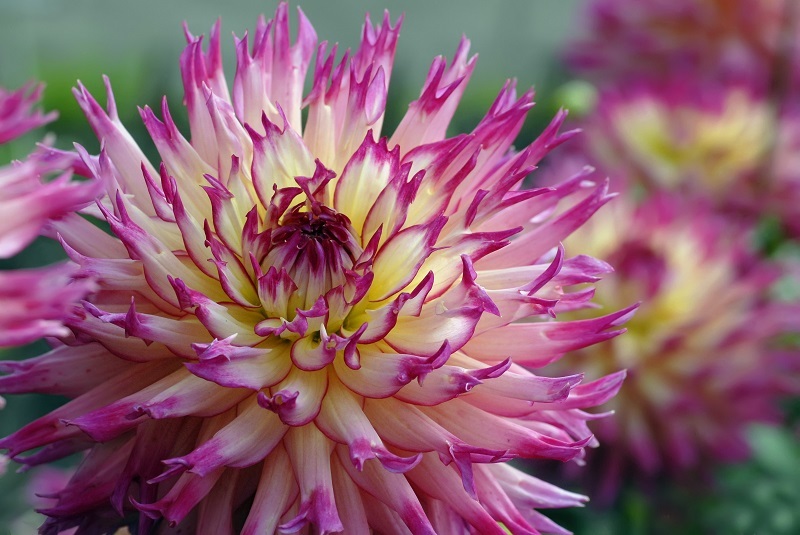
Whether you're a seasoned botanist or new to the world of houseplants, orchid care can be simple and enjoyable. With a little attention and understanding of their basic requirements, orchids will reward you with astonishing flowers and healthy, vibrant growth year after year. Don't be intimidated--embrace the beauty, peace, and satisfaction that comes with growing orchids at home. Experiment, observe, and most importantly, enjoy the fascinating journey of orchid gardening!
Additional Resources
Ready to get started? Pick up a beginner-friendly orchid, follow the tips in this guide, and soon you'll experience firsthand that orchid care truly can be simple--and deeply enjoyable!
Latest Posts
Why Red Roses Are Synonymous with Valentine's Day Love
Dive Into the Enigmatic World of Tulips With These Facts
Orchid Care Made Simple and Enjoyable
A guide to the symbolic interpretations of peony flower colors